
Scaffolding service
Temporary edge protection for roofs, slabs and open leading edges
Guardrails, toe boards, netting and crash decks installed by a nineteen-strong team, so nobody and nothing goes over the edge. Compliant with the Work at Height Regulations 2005 and inspected every seven days.
Free site visit usually within 48 hours · Phone answered 24 hours · Handover certificate and weekly inspections included
25 years
Curtis in the trade
19 people
Our own team
4.8 from 29
Google rating
12 weeks
Standard hire
Within 48 hours
Free site visit
Recent work
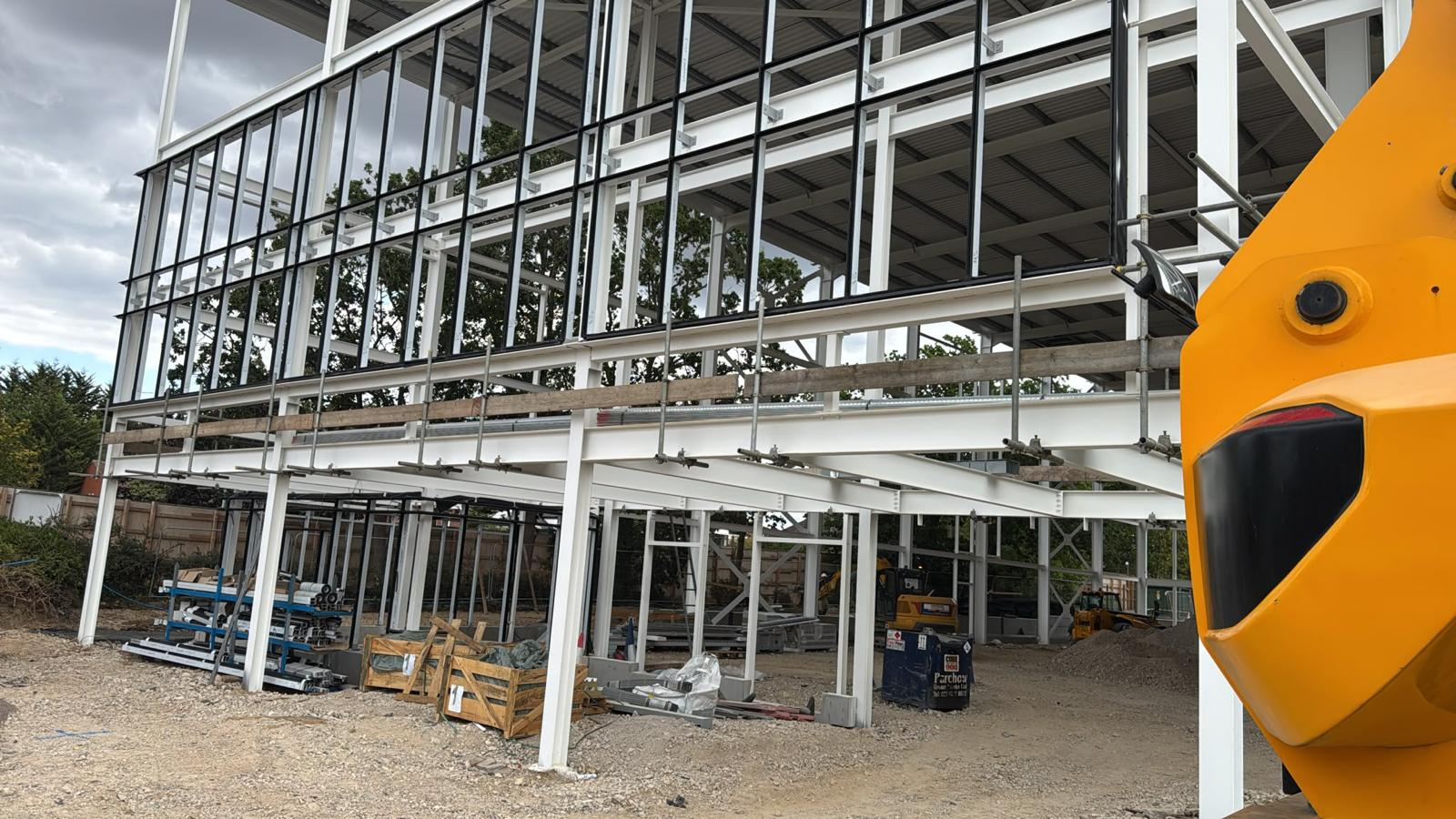
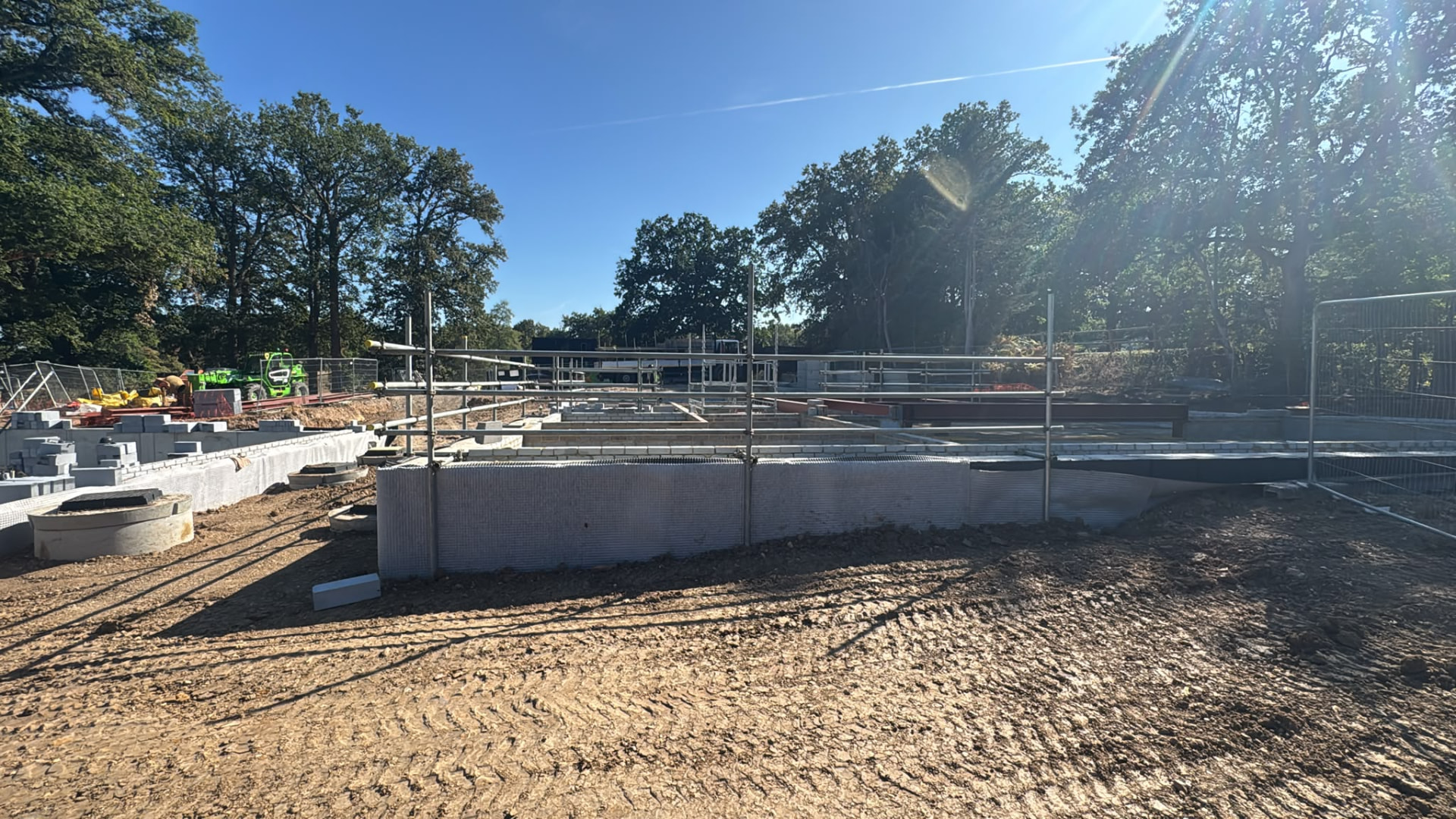
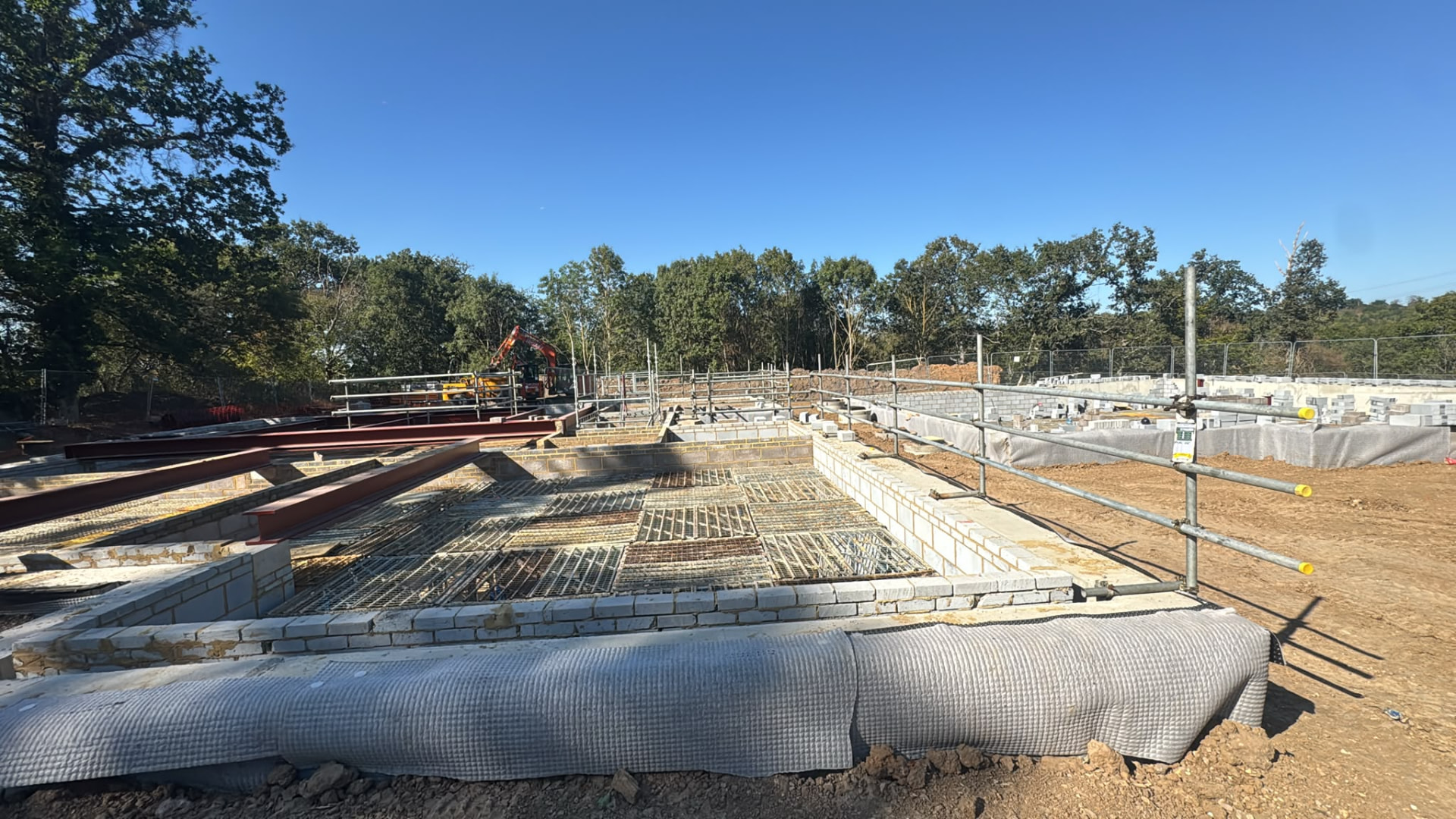
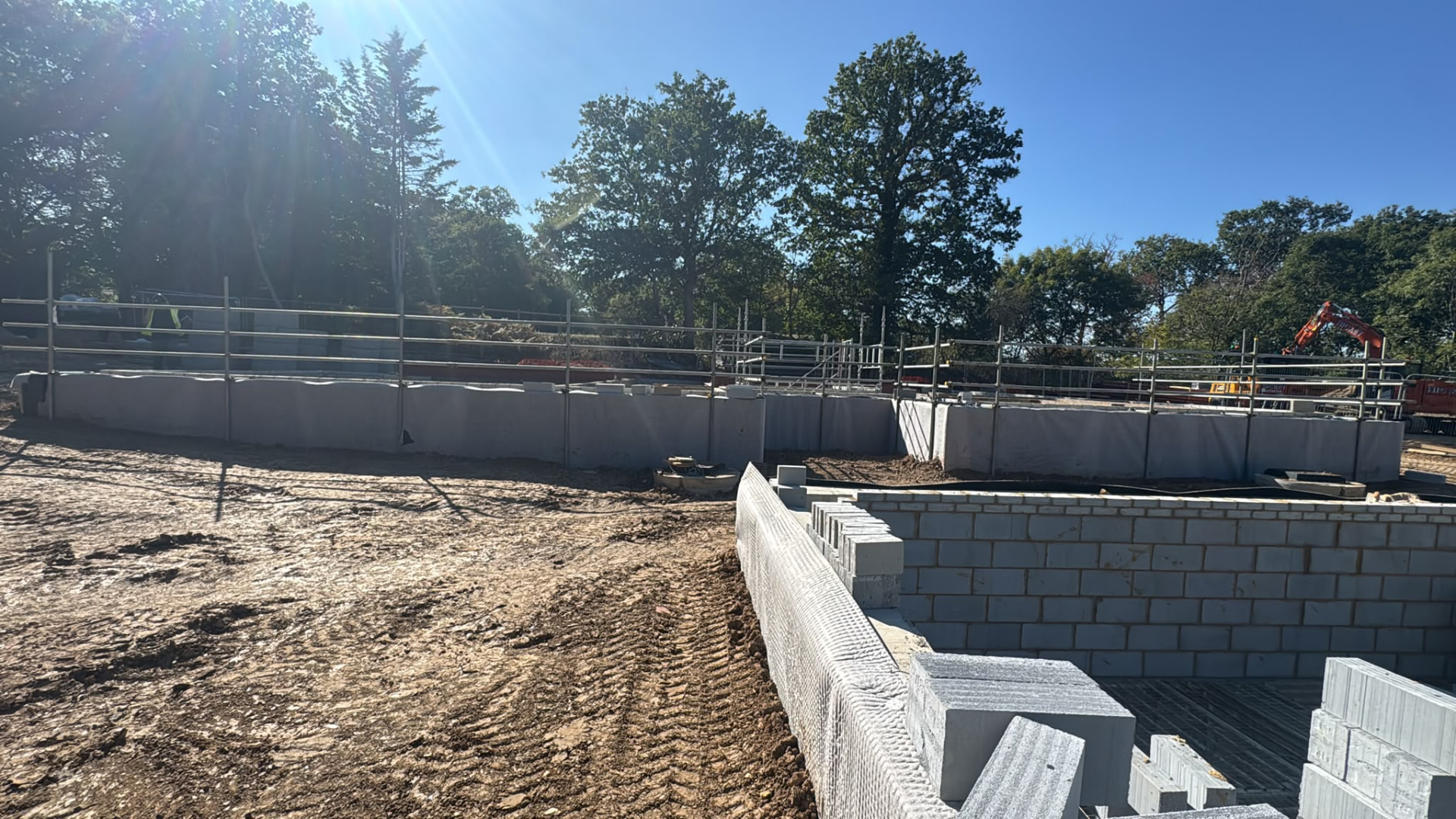
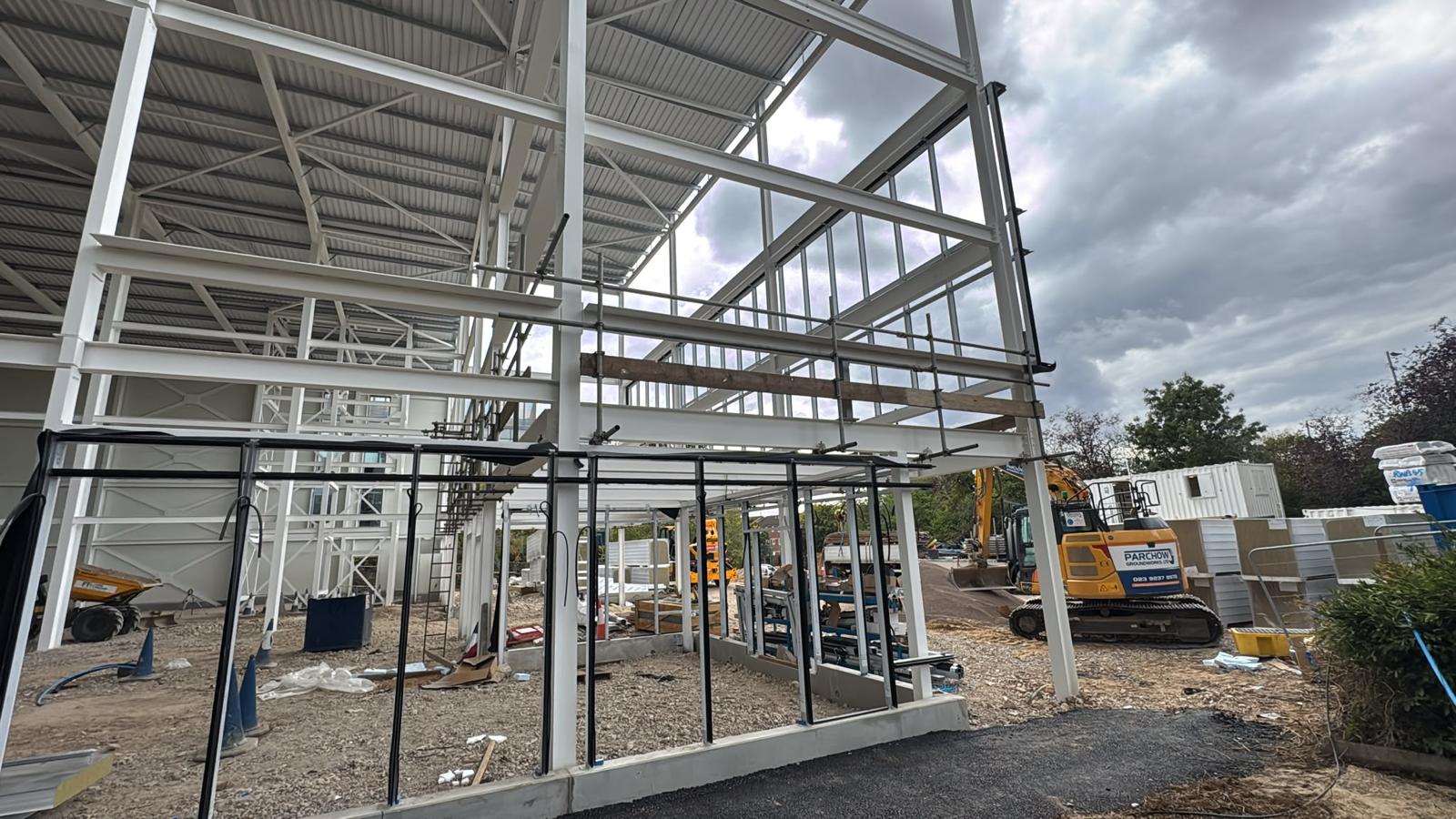
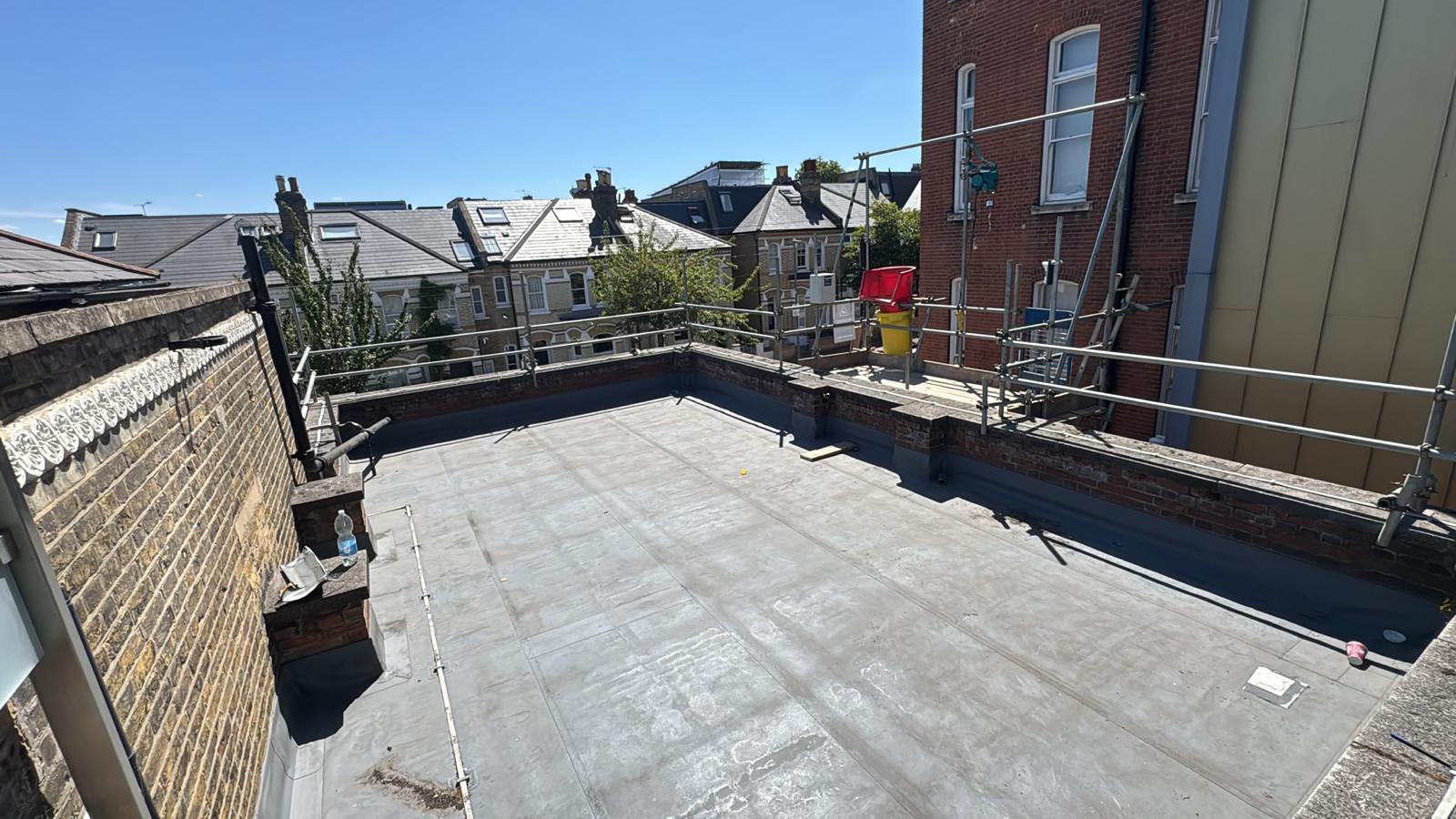
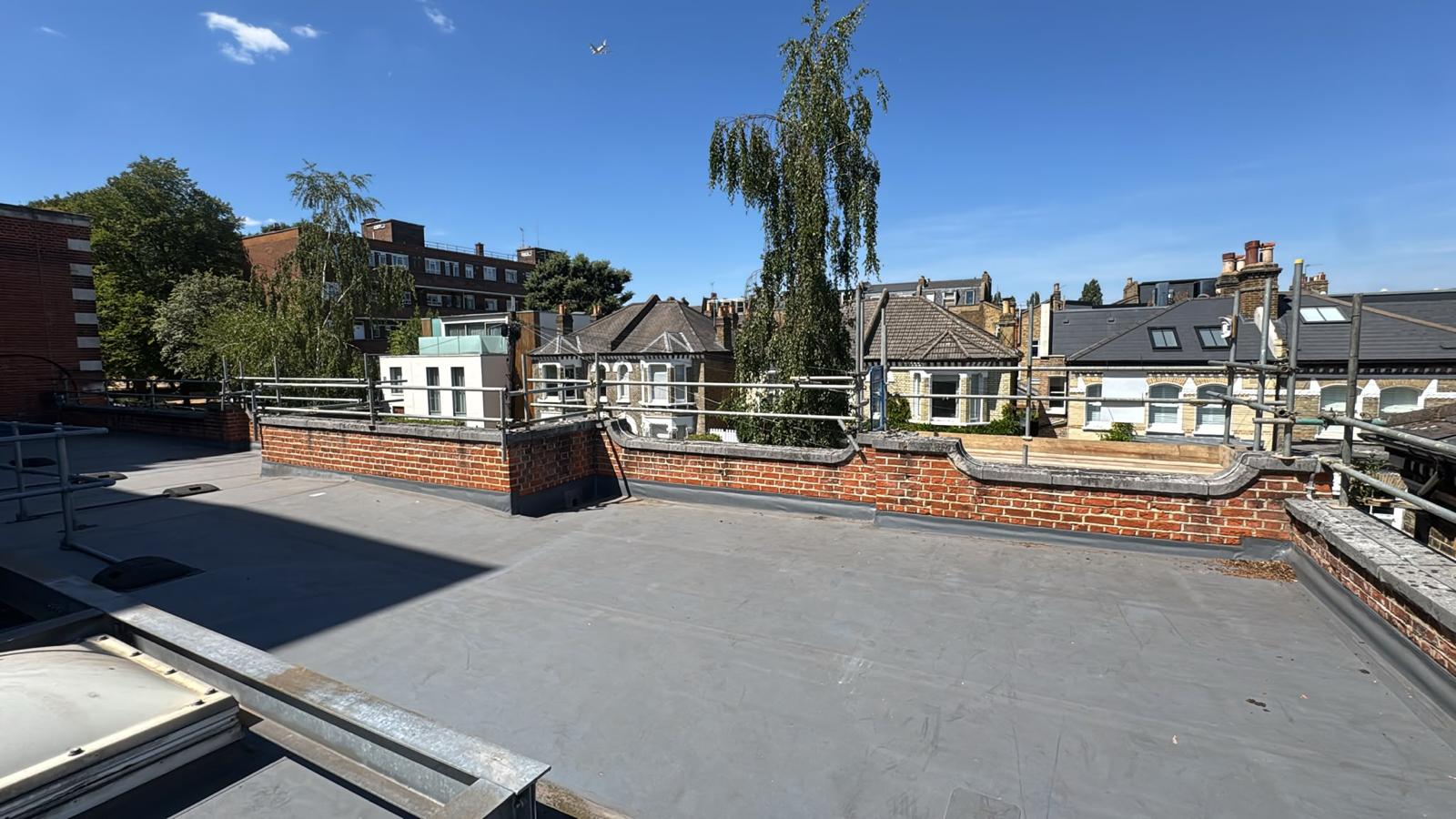
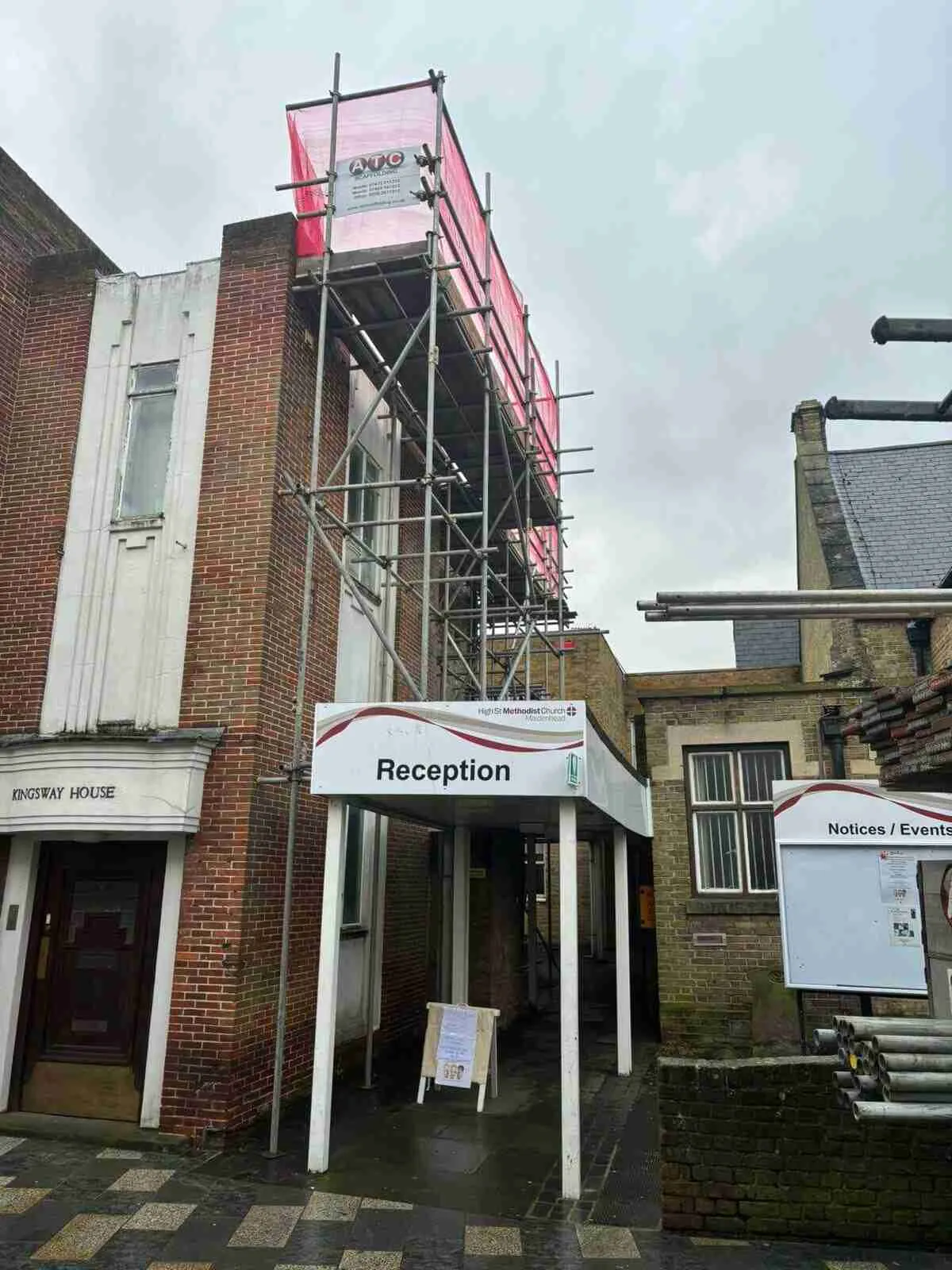
Edge Protection on site
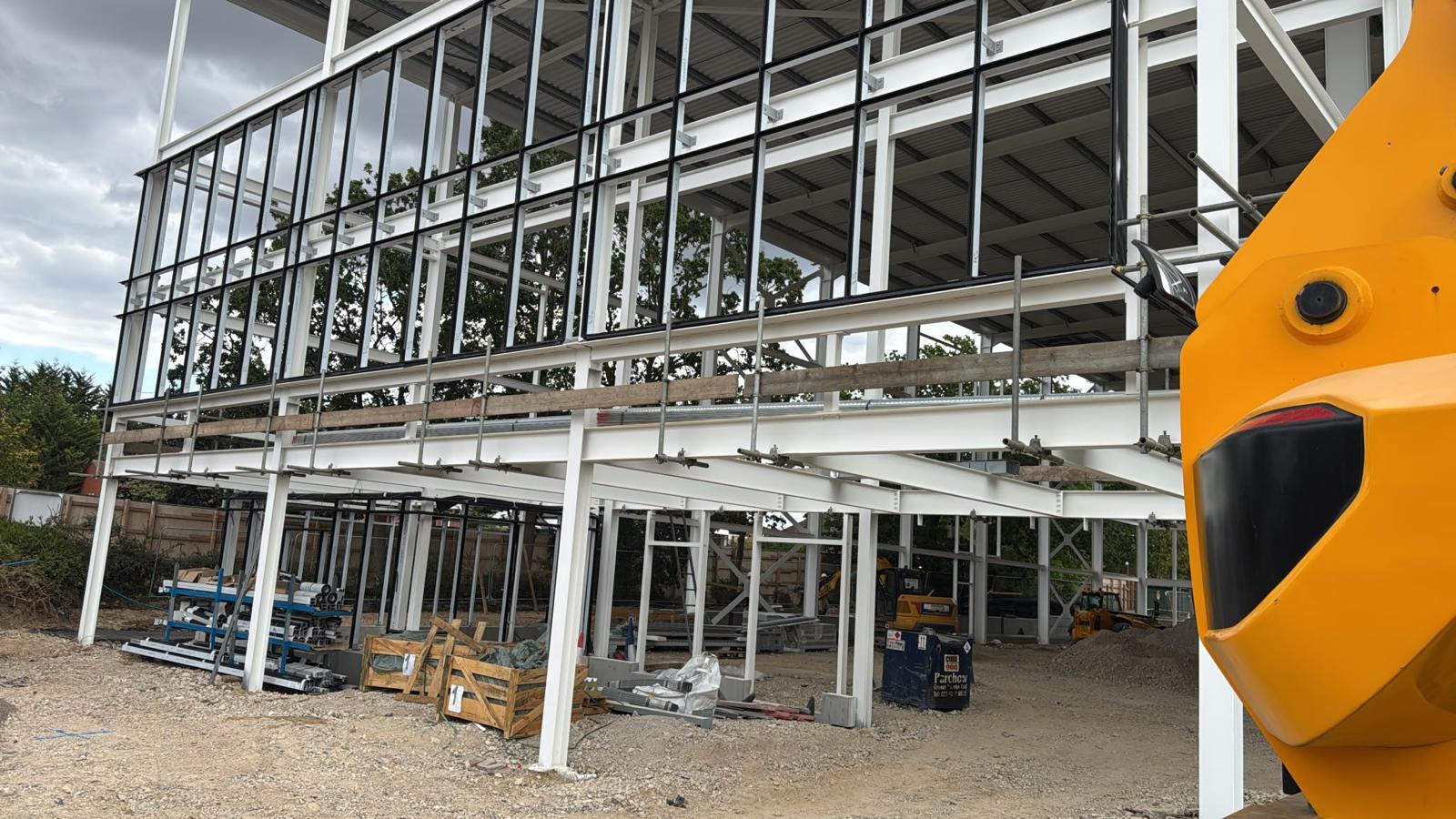
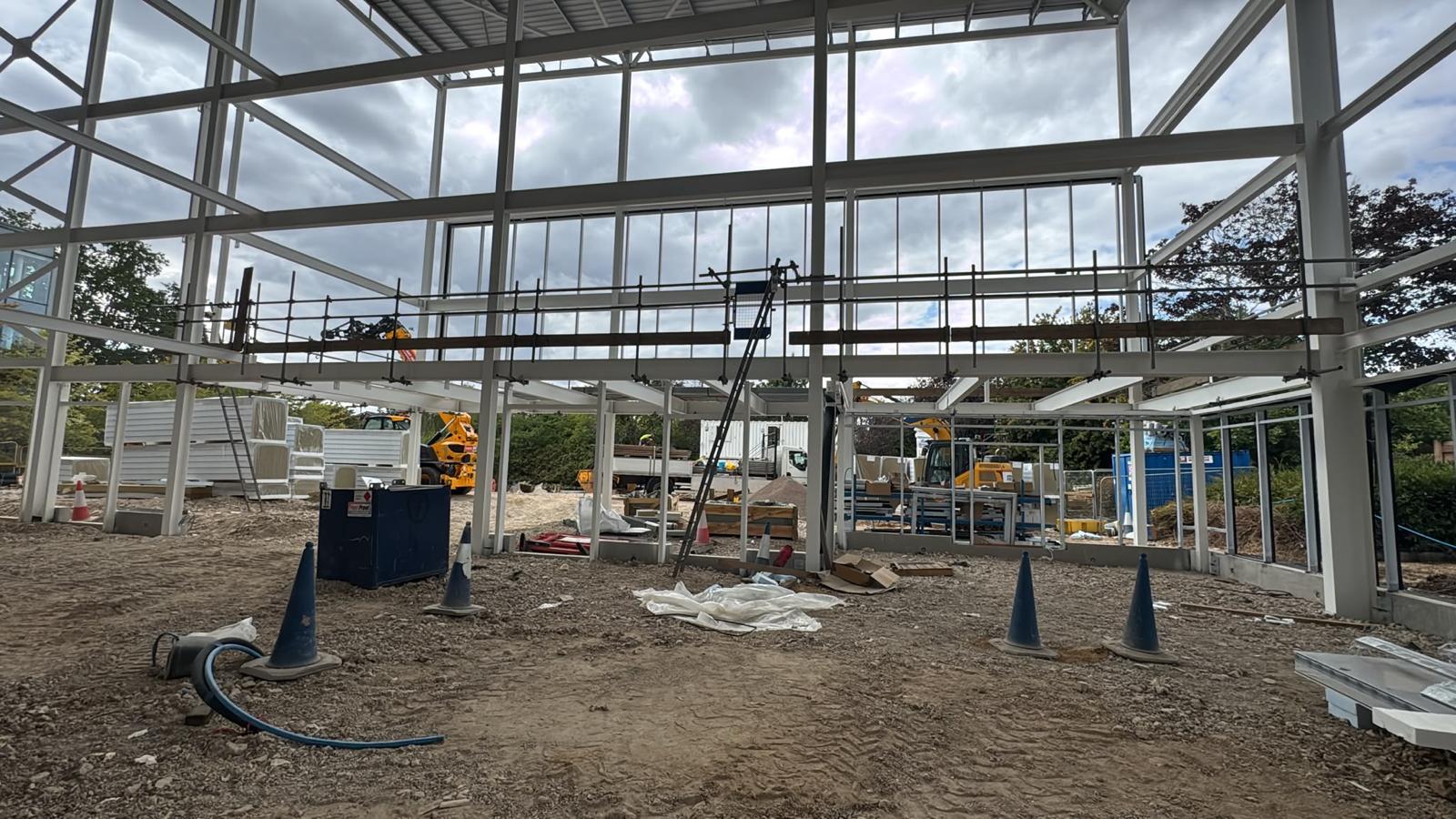
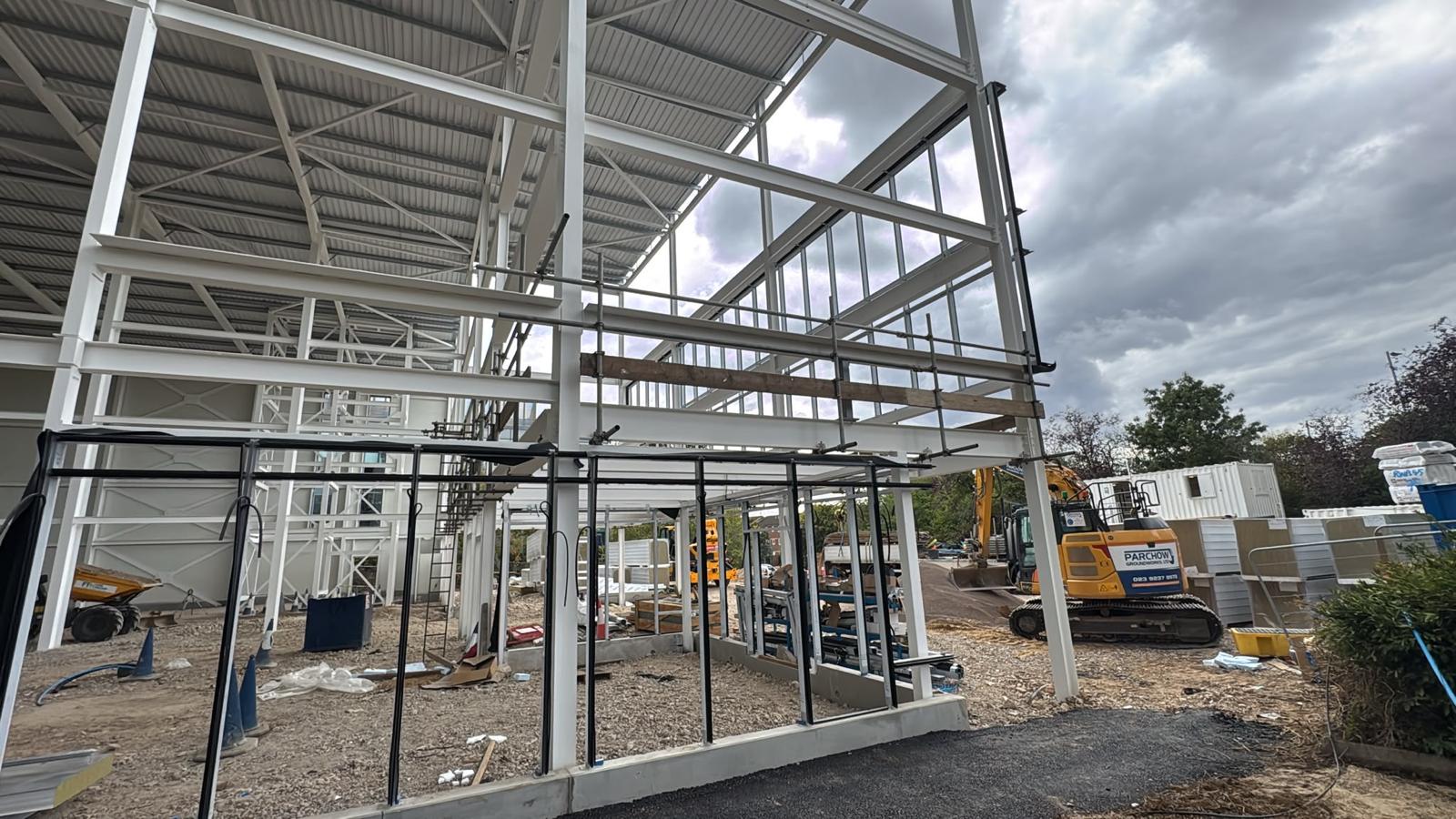
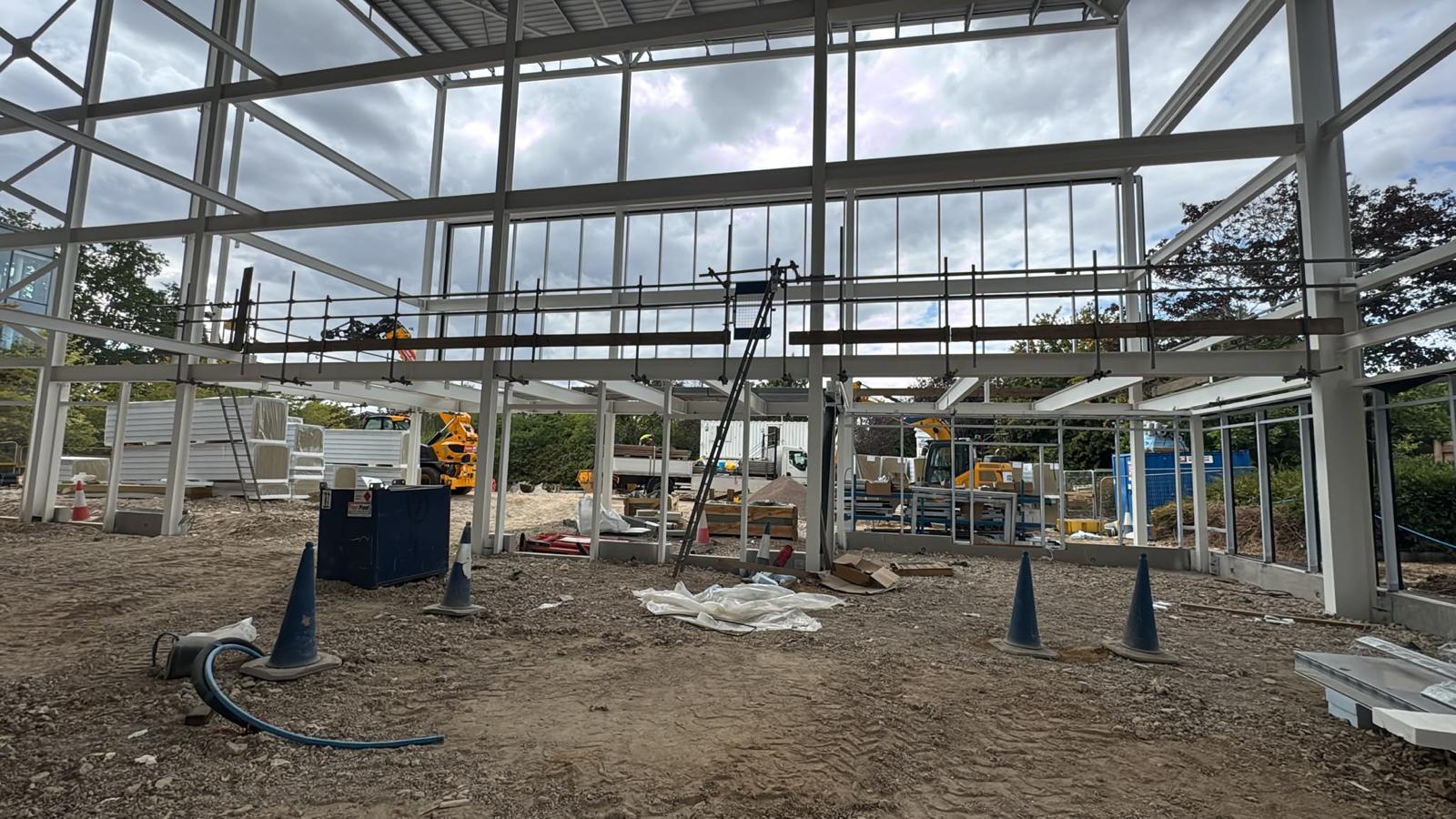
Overview
What edge protection is, and where the law requires it
Edge protection is the physical barrier fitted to any open edge a person or a material could fall from. On a scaffold that means a main guardrail at 950mm or higher, an intermediate guardrail so no gap exceeds 470mm, and a toe board to stop tools, bricks and offcuts being kicked off the platform. On a roof or a concrete slab it means a free-standing or clamped barrier system doing the same job at the perimeter.
It is not optional. The Work at Height Regulations 2005 require collective protection — a barrier that protects everybody on site without them having to do anything — to be considered before personal protection such as a harness. A guardrail works whether or not the operative clipped on. That is why HSE inspectors look at the edges first.
The systems we install fall into three families: scaffold edge protection formed from tube, fitting and boards as part of an access scaffold; temporary edge protection systems clamped to a slab edge, steel beam or parapet where no full scaffold is needed; and roof edge protection, either free-standing counterweighted barriers on flat roofs or eaves-mounted guardrails on pitched work.
We design, supply, install and dismantle all three across Berkshire, London, Buckinghamshire and Surrey, working across Berkshire, Buckinghamshire, Surrey, Middlesex, Hertfordshire and London. Curtis and Andrew have run the business for years on repeat contractor work, and edge protection is on nearly every job we hand over.
What it costs to get wrong
What happens when this is left, rushed or under-specified
Falls from height remain the single largest cause of workplace fatalities in UK construction. Almost all of them happen at an edge that had nothing on it.
A fall from two metres is life-changing
It does not take a tower block. Most serious fall injuries reported to the HSE happen below four metres — from a slab edge, a flat roof or an eaves line where the guardrail was left off because the work was only going to take an hour.
Falling materials injure people at ground level
A missing toe board is why a dropped scaffold fitting becomes a hospital visit for someone walking past. Toe boards and brick guards protect the public and the trades below, not the people on the platform.
Prohibition notices stop the whole site
An inspector who finds an unprotected edge can stop work on the spot. The scaffold cost is trivial next to the standing time, the rescheduled trades and the notice sitting on the company record.
Harnesses shift the risk to the individual
Relying on personal fall arrest means every operative has to clip to the right anchor every time, and somebody has to plan the rescue. Collective edge protection removes both problems, which is exactly why the Regulations put it first.
Insurance and CDM duties follow the paperwork
Without a handover certificate and seven-day inspection record, a defensible position after an incident becomes very difficult. We issue both as standard.
The mistakes we see most often
- Removing a guardrail to land materials and not putting it back before the next shift.
- Single guardrail only — leaving a gap over 470mm that a person can fall straight through.
- No toe board, so the platform protects people on it but not people under it.
- Free-standing roof barriers without the correct counterweight for the exposure and wind loading.
- Treating a harness as a substitute for a barrier when a barrier was reasonably practicable.
- Leaving a temporary edge protection system in place after the slab edge is built up, so it no longer sits where the hazard is.
Our process
How a job runs, start to finish
The same six steps on every job, whether it is one chimney or a phased commercial programme.
- 01
Call or send the details
Tell us the site address, what the scaffold is for and roughly when you need it. The phone is answered 24 hours a day.
- 02
Free site visit
Curtis, Andrew or one of the team comes out and measures up properly — usually within 48 hours of your enquiry.
- 03
Written quote, no obligation
You get a clear price for your job, based on what we saw on site rather than an average. No charge for the visit or the quote.
- 04
Agreed erect date
We book a date and we work to it. If a licence is needed for the footway, we flag that before the date is set.
- 05
Erected, checked and handed over
The scaffold goes up, gets checked, and your trades get on with the work. Standard hire period is 12 weeks.
- 06
Adaptations and dismantle
Need a lift added or a section moved? Call us. When the job is done we strike it on the agreed day and leave the site clean.
What you get
What you actually get from edge protection done properly
Concrete outcomes, priced from your site and delivered on the dates we agree.
Collective protection, not individual reliance
The barrier protects everyone who steps onto the level, including visiting trades who never saw your method statement.
Built to the actual heights and gaps
Main guardrail at 950mm minimum, no unprotected gap over 470mm, toe board at 150mm minimum. Measured on site, not assumed.
Systems for slab, roof and scaffold
Tube-and-fitting on scaffolds, clamped post systems on slabs and steelwork, counterweighted barriers on flat roofs — the right one for the substrate.
Netting, brick guards and crash decks
Debris netting and brick guards stop material loss from the platform; crash decks protect the level below during demolition, strip-out and roof work.
Weekly inspection built in
Every scaffold and edge protection installation is inspected at least every seven days and after any event likely to have affected it, with the record left on site.
Fast local response
Minutes from Junction 5 of the M4, so an alteration or a reinstated guardrail is usually a same-week visit rather than a fortnight of waiting.
In detail
Edge protection specification, in detail
Most edge protection failures are dimensional rather than structural — the right components in the wrong place. The numbers below are the ones that decide whether an edge is compliant.
Guardrail heights and gaps
The top of the main guardrail sits at least 950mm above the working platform. Between the toe board and the main guardrail, no unprotected vertical gap may exceed 470mm — in practice that means an intermediate guardrail on virtually every platform.
Toe boards are a minimum of 150mm high and fitted tight to the boards. Where materials are stacked higher than the toe board, brick guards or debris netting cover the remaining opening rather than leaving a gap at the shin line.
Roof edge protection on flat and pitched roofs
On flat roofs the usual answer is a free-standing counterweighted guardrail that stands off the perimeter without penetrating the waterproofing. Counterweight quantities come from the manufacturer's data for the roof pitch, the barrier configuration and the exposure — this is where cheap installations most often fall short.
On pitched roofs the guardrail is set relative to the eaves so it arrests a sliding operative, and it is normally taken up as part of the access scaffold rather than fitted separately. Where the covering is coming off entirely, edge protection is planned alongside a temporary roof so the two do not fight each other.
Temporary edge protection on slabs and steelwork
Slab edges are protected with post systems clamped to the slab, bolted into cast-in sockets, or fixed to the perimeter steel. The choice depends on what the frame allows and whether the edge will later carry cladding brackets.
Protection goes up as the frame goes up. Retrofitting edge protection to a completed floor means someone has to work the unprotected edge to install it — the exact situation the system exists to prevent.
Inspection, handover and records
Scaffolding and edge protection is inspected before first use, at intervals no greater than seven days, and after any event likely to have affected its stability — high winds being the common one. Records stay on site.
We hand over with a signed certificate stating the intended loading and use. Anyone altering the installation afterwards should be a competent scaffolder; a guardrail taken off by another trade and not replaced is the most common cause of an edge going unprotected.
Materials and methods we use
- Main and intermediate guardrails in tube and fitting
- 150mm+ scaffold toe boards
- Brick guards and debris netting
- Free-standing counterweighted roof edge barriers
- Clamp-on and cast-in slab edge post systems
- Crash decks and fans for protection below
- Ladder access gates and self-closing barriers
- Monarflex sheeting where wind and dust control is also needed
Domestic work
- Guardrails and toe boards to eaves level for re-roofs and repointing
- Chimney and ridge working platforms with full perimeter protection
- Loft conversion and dormer edge protection during opening-up
- Protection to rear extensions where the garden is still in use
- Public-facing brick guards and netting on tight street frontages
Commercial work
- Slab edge protection through the frame on new build developments
- Flat roof perimeter barriers for plant replacement and PV installation
- Crash decks and fans over occupied entrances and walkways
- Edge protection to loading bays and material landing areas
- Data centre and industrial roof access with permanent-standard guardrail
FAQs
Edge Protection: common questions
Cost, timescales, hire periods and how the job actually runs.
What is edge protection in scaffolding?+
Edge protection is the barrier fitted to the open edge of a scaffold platform, roof or slab to stop people and materials falling. On a scaffold it consists of a main guardrail at least 950mm above the platform, an intermediate guardrail so no gap exceeds 470mm, and a toe board of at least 150mm.
Is edge protection a legal requirement in the UK?+
Yes. The Work at Height Regulations 2005 require collective fall protection such as guardrails to be used wherever it is reasonably practicable, and to be considered before personal protection like harnesses. An unprotected edge can attract a prohibition notice that stops work immediately.
What height must a guardrail be?+
The main guardrail must be at least 950mm above the working platform, with no unprotected gap greater than 470mm between the toe board and the top rail. In practice that means an intermediate guardrail on almost every platform we build.
What is the difference between edge protection and a safety harness?+
Edge protection is collective — it protects everyone on the level whether or not they take any action. A harness is personal fall protection that only works if the operative clips to a suitable anchor, and it requires a rescue plan. The Regulations put collective protection first.
Can you fit roof edge protection without drilling the roof?+
Yes. Free-standing counterweighted barrier systems sit on the flat roof surface and are held by ballast, so the waterproof membrane is never penetrated. Counterweight is set from the manufacturer's data for the roof pitch and exposure.
How often does edge protection need inspecting?+
Before first use, at intervals of no more than seven days, and after any event likely to have affected its stability — most often high winds. We carry out these inspections and leave the record on site.
How much does temporary edge protection cost?+
It depends on the run length, the height, the substrate it fixes to and the hire period. On a full access scaffold, guardrails and toe boards are included in the scaffold price. Standalone slab or roof systems are quoted after a free site visit, usually within 48 hours.
Do you cover my area?+
We work across Berkshire, Buckinghamshire, Surrey, Middlesex, Hertfordshire, Oxfordshire and Greater London.
Edge protection is the least glamorous part of a scaffold and the part that most often decides whether a job ends without an incident. It gets the same attention here as the design and the erection.
Tell us what the edge is — a slab, an eaves line, a flat roof perimeter or an existing scaffold that needs bringing up to standard — and we will come and look at it.
Related services
Scaffolding Erection and Hire
Read moreScaffold Design and Loading Calculations
Read moreNew Build Development Scaffolding
Read moreTemporary Roofs
Read moreWhere we deliver this service
Edge Protection is available across Berkshire, Buckinghamshire, London, Surrey, Oxfordshire, Hertfordshire and Middlesex from Seven Hills Farm, Seven Hills Road, Iver, SL0 0PA. You can also see every service we offer, read about ATC Scaffolding or send us the details of your job.
Next step
Get your edges protected properly
Free site visit usually within 48 hours, a written quote with the specification stated, and a handover certificate when it goes up. Phone answered 24 hours.
Phone answered 24 hours · Free quotes · 12-week standard hire period